
Understanding Sports Broadcasting Fundamentals
Sports broadcasting is an essential component of the modern sports landscape, combining entertainment, information, and technology in a way that captivates millions. Understanding the fundamentals of this field is crucial for anyone interested in pursuing a career in sports media, whether as a broadcaster, producer, or technician. This article delves into the core principles of sports broadcasting, exploring its significance, key roles, and broadcasting techniques. For a deeper understanding, you might want to explore our Sports Broadcasting section.
The Importance of Sports Broadcasting
Sports broadcasting serves as a bridge connecting athletes, teams, and the audience. It plays a pivotal role in enhancing fan engagement, providing live coverage, and delivering insightful commentary that enriches the viewer’s experience. With the advent of digital platforms, broadcasting has evolved into a multi-faceted industry that influences not just how fans consume sports but also how leagues market themselves and how sponsors choose to invest in events. Furthermore, it contributes significant revenue through advertisements, subscriptions, and sponsorship deals.
Key Roles in Sports Broadcasting
Various professionals contribute to the success of sports broadcasting. Their roles are not only diverse but also vital in creating a seamless viewing experience:
- Producers: Oversee the production process, from planning to execution, ensuring all aspects of the broadcast align with the audience’s expectations.
- Commentators: Provide play-by-play and expert analysis, offering insights that enhance viewer understanding and excitement.
- Cameramen: Capture live action from various angles, influencing how viewers perceive the game dynamics.
- Audio Engineers: Ensure sound quality is optimal, balancing commentary, crowd noise, and other audio elements.
- Editors: Work on post-production, refining footage for highlights or recap shows, which is crucial for storytelling.
Introduction to Broadcasting Techniques
Broadcasting techniques have evolved significantly with advancements in technology. Key techniques include multi-camera setups for diverse perspectives, using drones for aerial shots, and integrating augmented reality to enhance storytelling. Understanding these techniques allows broadcasters to produce content that is not only engaging but also keeps pace with technological innovations.
Essential Equipment for Sports Broadcasting
The equipment used in sports broadcasting is vital for producing high-quality content. As the technology continues to advance, professionals in this field must stay updated on the latest tools and gear available.
Cameras and Audio Equipment
Cameras are the heart of sports broadcasting, capturing the dynamic action of the event. Various types of cameras are utilized:
- Robotic Cameras: These cameras can be remotely controlled, allowing for seamless transitions and unique angles.
- Handheld Cameras: Provide flexibility and can be moved quickly to capture fast-paced action.
- Fixed Cameras: Essential for broadcasting from a static viewpoint, ideal for long games or events.
Equally important is audio equipment, which includes microphones, mixers, and speakers. Quality audio ensures that the commentary is clear and that the atmosphere is well represented. Wireless microphones are particularly useful for capturing on-field interviews or spontaneous moments.
Streaming Software and Tools
As more audiences shift to online viewing, streaming software has become critical. Tools like OBS (Open Broadcaster Software) and proprietary platforms enable seamless live streaming, incorporating graphics, replays, and stat overlays. Effective use of these tools enhances the viewer’s experience while delivering a professional quality broadcast.
Set Design for Broadcasting
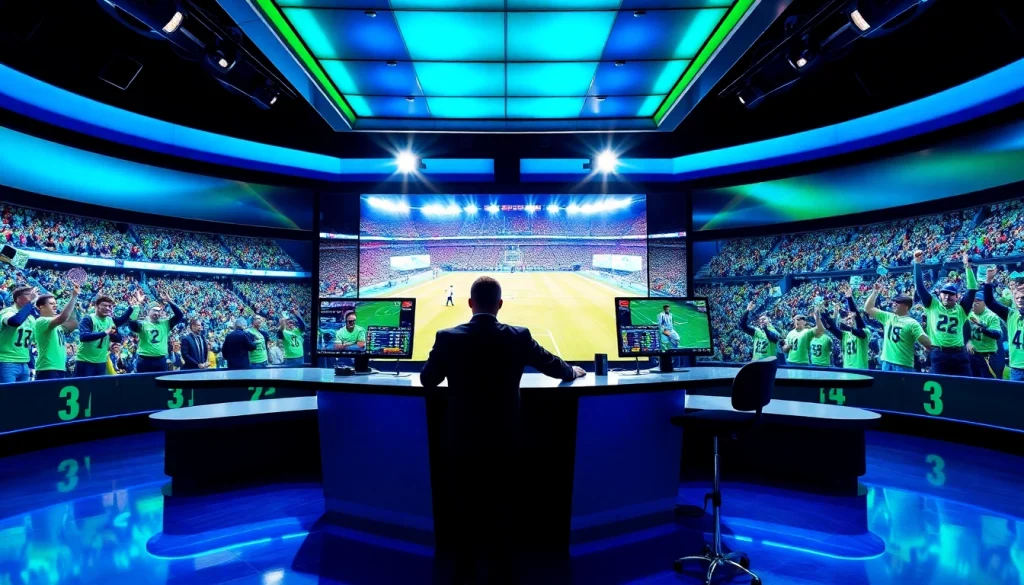
The design of the broadcasting set plays a crucial role in visual appeal. A well-designed set reflects the brand’s identity and creates a comfortable atmosphere for hosts and guests. It often includes branded backdrops, digital screens for live stats, and areas dedicated to interactive segments with viewers.
Content Creation in Sports Broadcasting
Creating compelling content is at the core of successful sports broadcasting. Engaging storytelling, dynamic visuals, and informative segments drive viewer retention and engagement.
Engaging Commentary Techniques
Commentators are not merely narrators; they are storytellers shaping the viewer’s experience. Techniques for effective commentary include:
- Building a Narrative: Creating a storyline that captivates viewers, highlighting key rivalries or player journeys.
- Descriptive Language: Using vivid wording to paint a picture of the action, helping viewers visualize the excitement.
- Timing: Knowing when to elevate excitement or tone down for analysis is critical for maintaining audience engagement.
Utilizing Social Media for Content Distribution
Social media serves as a powerful tool for distributing content and engaging fans. Platforms like Twitter, Instagram, and TikTok enable broadcasters to reach audiences instantly. Live-tweeting games, posting behind-the-scenes content, and engaging in discussions about plays can significantly enhance viewer connection and loyalty.
Audience Interaction Strategies
Encouraging audience interaction is essential for modern broadcasting. Strategies include:
- Live Polls and Q&A Sessions: Engaging viewers directly during broadcasts keeps them invested.
- Social Media Contests: Incentivizing fan participation through contests can increase viewer numbers.
- User-Generated Content: Encouraging fans to share their own content related to the broadcast can enhance community and engagement.
Performance Metrics in Sports Broadcasting
To evaluate the success of sports broadcasting efforts, it is crucial to monitor various performance metrics. Understanding these metrics helps improve future content and broadcasting strategies.
Analyzing Viewer Engagement
Viewer engagement is a key indicator of a broadcast’s success. Metrics like average view time, social media interactions, and on-screen voting results give broadcasters insight into how well their content resonates with the audience. Tools like Google Analytics and social media insights provide valuable data for these assessments.
Understanding Ratings and Reach
Ratings from television or online streaming platforms gauge how many viewers watched a particular game or event. High ratings often correlate with advertising revenue and sponsorship interest. Understanding demographic information helps broadcasters tailor content to attract specific audiences.
Optimizing Content Based on Feedback
Feedback from viewers is crucial for continual improvement. Surveys, social media comments, and live interactions can indicate areas for enhancement. Analyzing comments can unveil recurring themes, guiding content adjustments and improving viewer satisfaction.
Future Trends in Sports Broadcasting
The sports broadcasting industry is relentlessly evolving. Emerging technologies and shifting viewer preferences are shaping its future.
The Rise of Digital Streaming Services
With traditional cable television waning, digital streaming services are on the rise, offering flexibility and convenience. These platforms provide options to watch live events, highlights, and replays on-demand, catering to the increasing demand for accessible sports content.
Enhancements in Virtual Reality Experiences
Virtual reality (VR) is at the forefront of providing immersive experiences. These advancements enable fans to feel as though they are part of the action, whether through VR headsets or integrated apps that enhance the viewing experience. This could revolutionize how sports are consumed, making every match feel like a live experience.
Evolving Audience Expectations
Audiences now expect high-quality, interactive content that includes not just highlights but in-depth analysis, personalized experiences, and community engagement. Broadcasters must adapt to meet these new demands, harnessing technology and innovative content strategies to maintain viewership.
FAQs
1. What is sports broadcasting?
Sports broadcasting involves delivering live coverage of sports events, including commentary, interviews, and analysis to engage viewers across various platforms.
2. What roles are crucial in sports broadcasting?
Key roles include producers, commentators, cameramen, audio engineers, and editors, all of whom work collaboratively to create engaging broadcasts.
3. How does streaming impact sports broadcasting?
Streaming allows audiences to watch sports content on-demand, making it more accessible and convenient while shifting traditional broadcasting paradigms.
4. What metrics are used to gauge broadcast success?
Common metrics include viewer engagement, ratings, demographic reach, and social media interactions, helping broadcasters gauge content effectiveness.
5. What trends are shaping the future of sports broadcasting?
Key trends include the rise of digital streaming, advancements in virtual reality, and evolving audience expectations emphasizing interactivity and personalization.